El Paso - The Great Passage
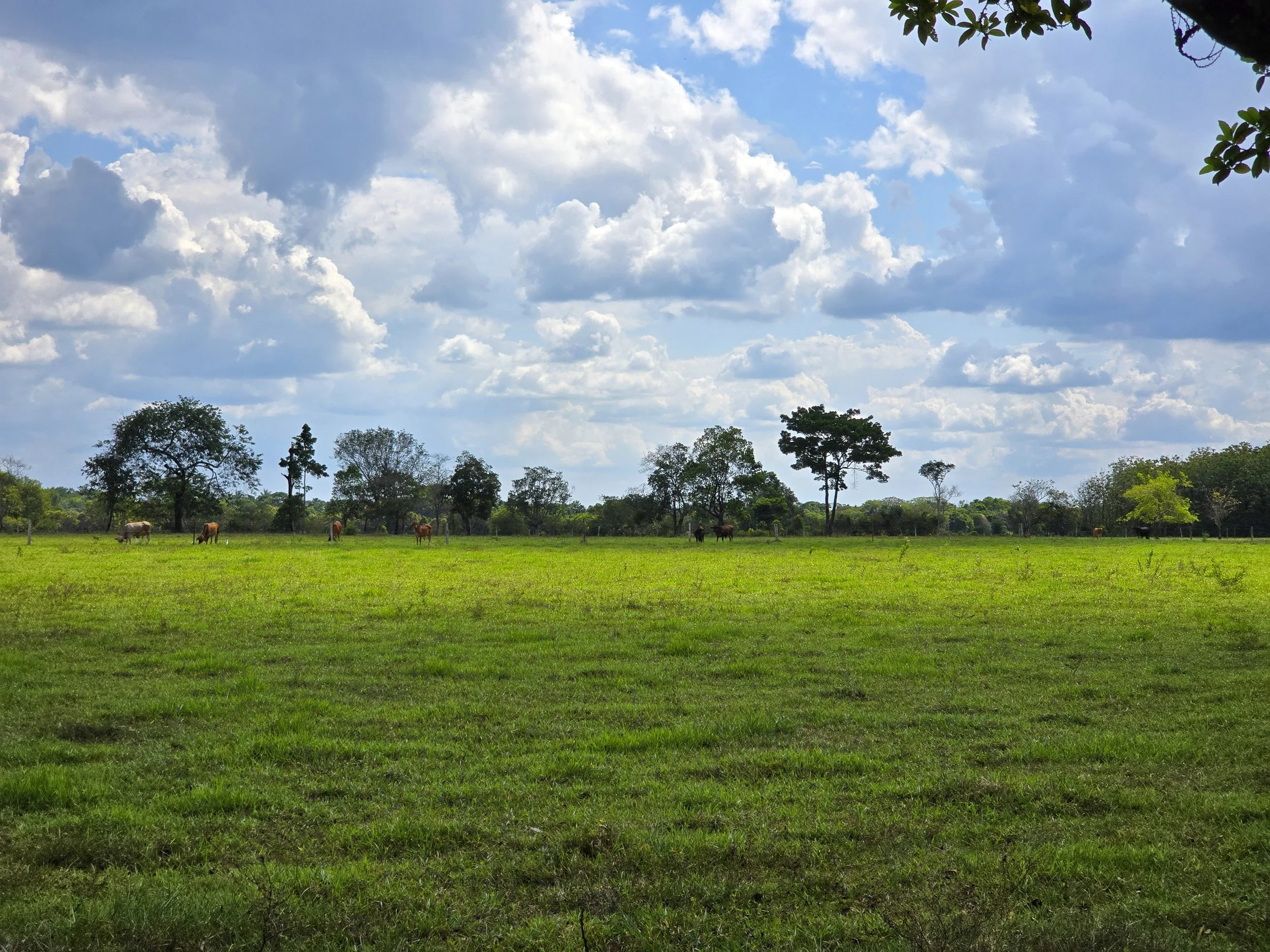
In the previous chapter here, we kicked off our journey by diving into the vast, beautiful eastern plains of Colombia known as los llanos. For easier representation, I will be using the term llanos in the article. It refers to the plains. This region is mostly lush, wet grassland, and because of that, cattle ranching has become a huge part of the local culture, woven into everything they do.
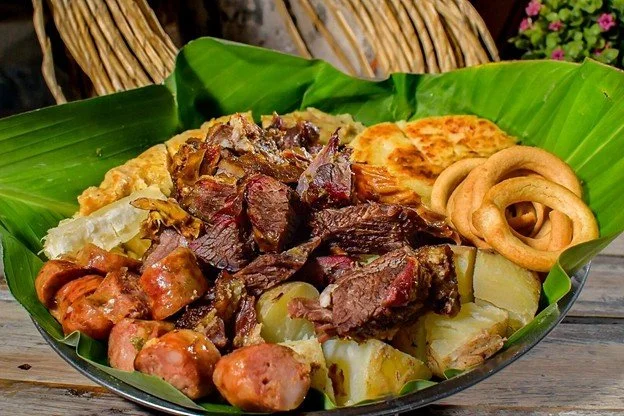
Comida Llanera
You can see this influence everywhere—in their music, their dances, and especially in the food. It is ironic, though, the comida llanera (food of the plains) is all about meat, even with so many fantastic vegetables and grains around! Honestly, finding great vegetarian food has always been my biggest challenge and complaint while exploring the plains.
Restrepo, Meta
Anyway, back to Restrepo! This town is our starting point for all the adventures we will have here. Sticking to the local custom, signified in the song Ay, sí, sí, ‘y a las seis de la mañana
Ay, sí, sí, y a todos les madrugué’ (Everyone gets up and gets ready at 6 am in the plains), I try to get an early start because the afternoons can be seriously hot, wet, or a mix of both. Remember, the piedemonte area alone gets about 400 centimeters of rain every year!
Typical food from the plains
Cruising along the RN 65 highway, the highway treats us to some spectacular views and scenery. From Restrepo, the next town known as Cumaral is just a quick 20 minute drive. After Cumaral, we hit the toll booth, and once we cross the Guacavía river, we officially leave the Meta department and enter Cundinamarca.
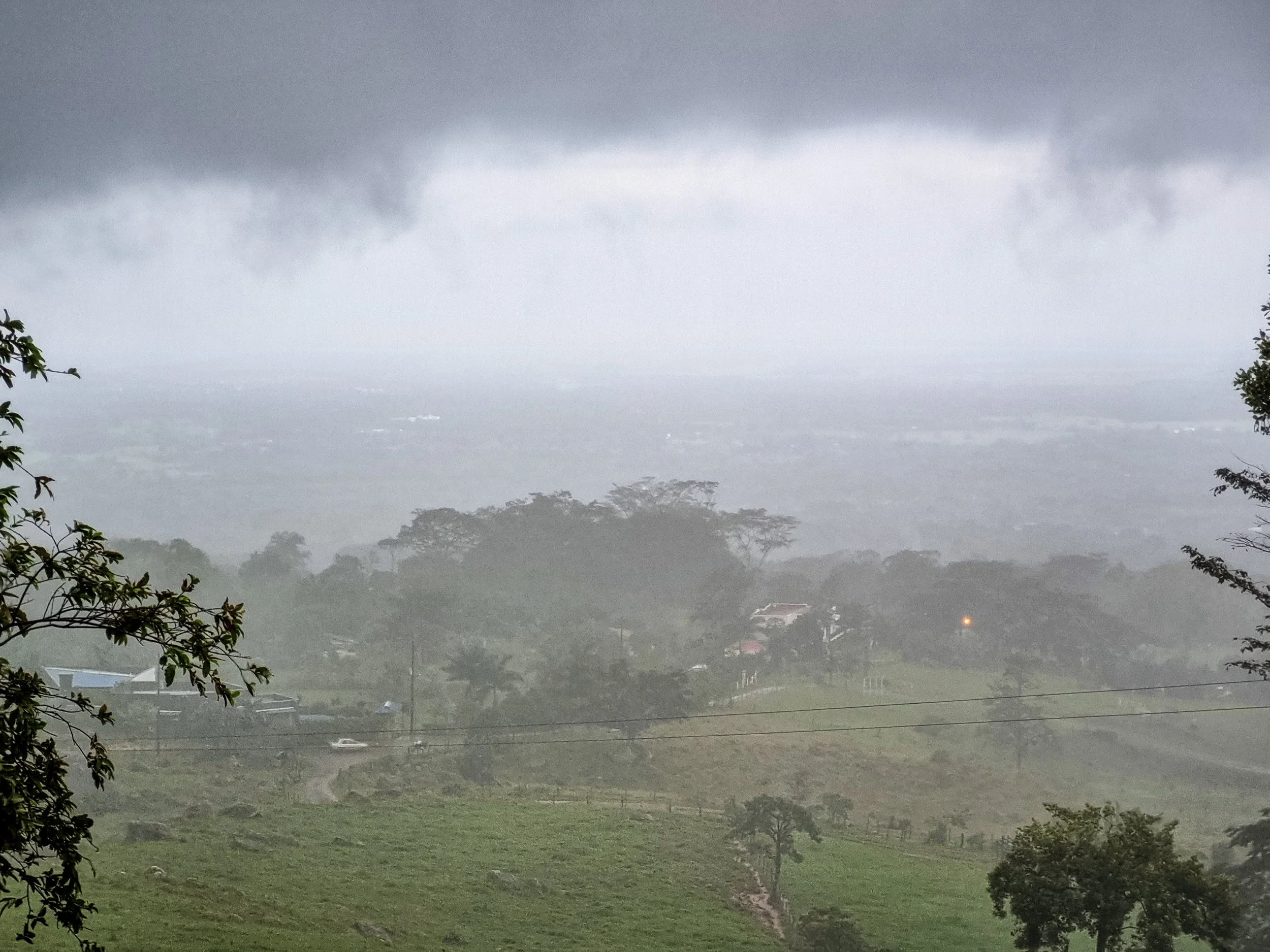
A rainy afternoon in the plains
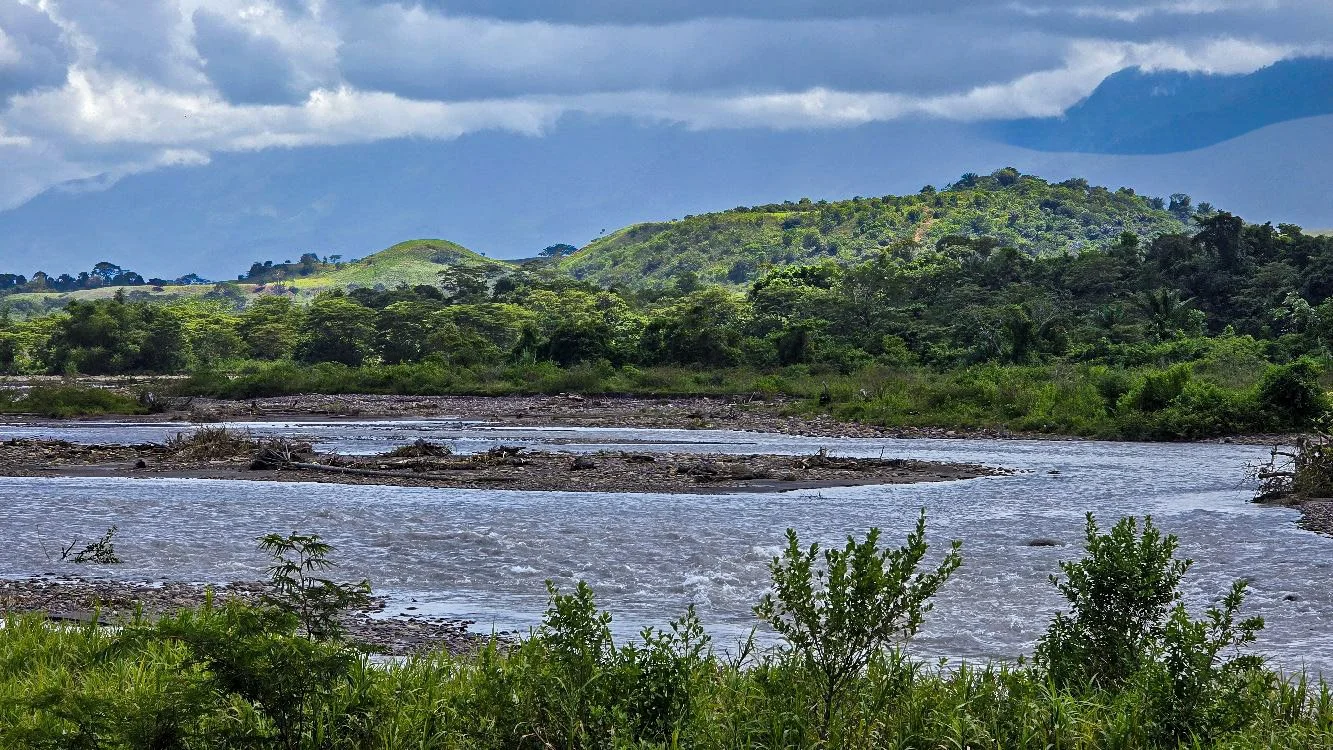
The Guacavía river forms the limit between Meta and Cundinamarca departments
A bit of Cundinamarca
Did you see that coming? There is a bit of Cundinamarca in the plains - the province of Medina covering two municipalities: Medina and Paratebueno.
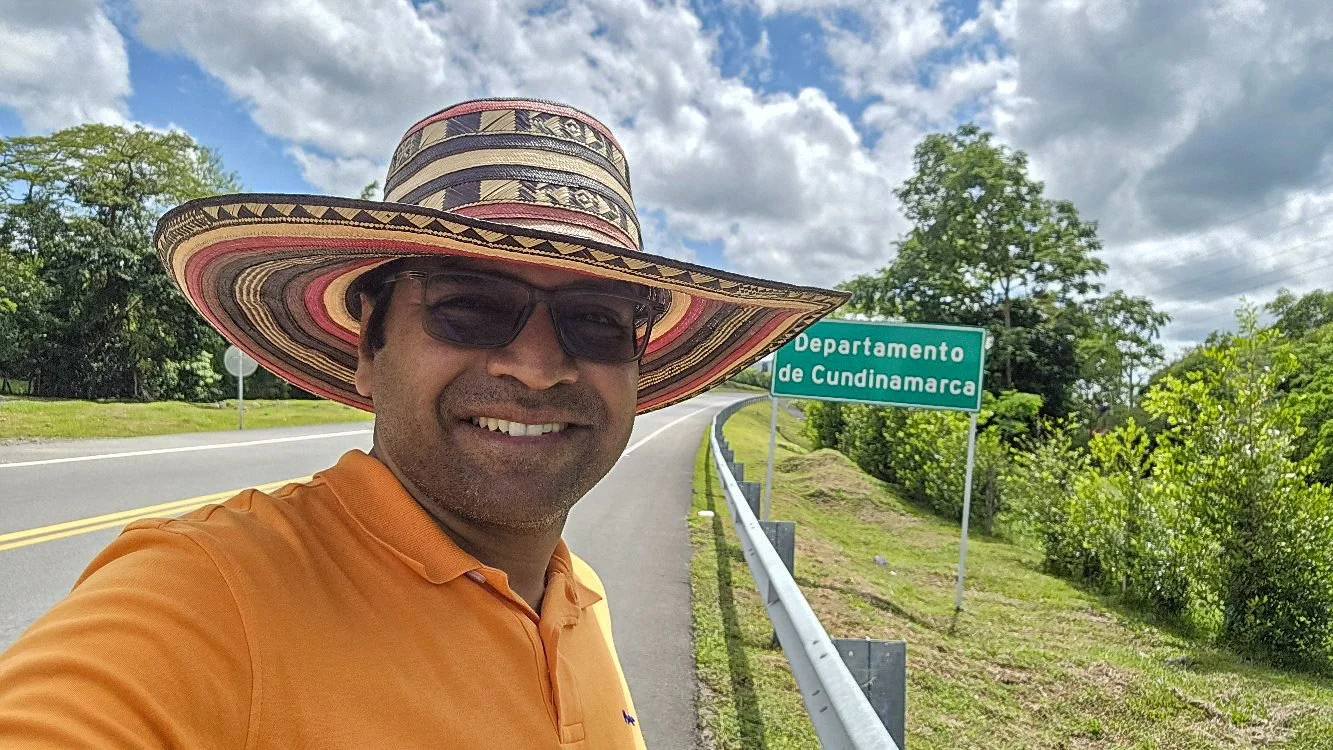
Marker of Cundinamarca Department
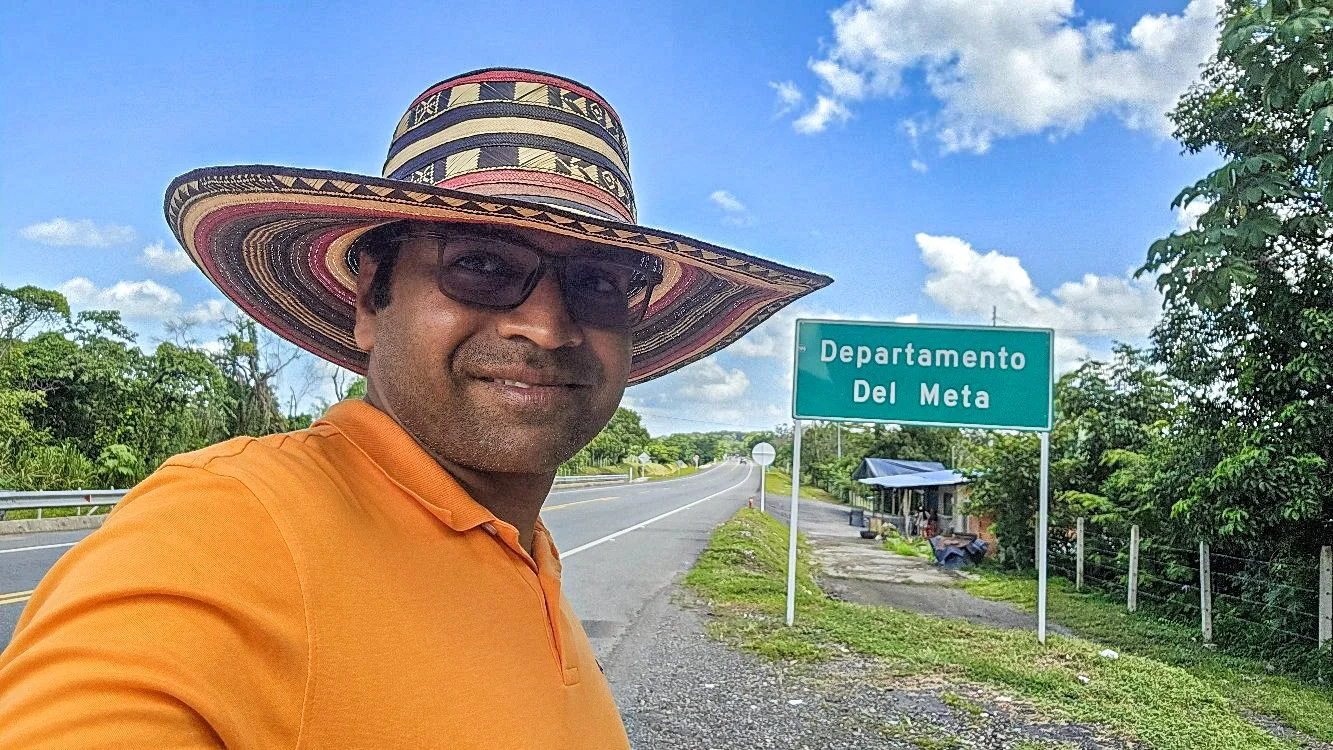
Marker of Meta Department
Paratebueno, Cundinamarca
The municipality of Paratebueno lies on the direct Rn 65 route that can be reached after crossing the Humea river. The municipality proudly calls itself the Municipio llanero de Cundinamarca.
The municipality of Paratebueno lies on the direct RN 65 route that can be reached after crossing the Humea river. The municipality proudly calls itself the Municipio llanero de Cundinamarca.
It is impressive that the towns of this region embrace the culture of the plains, or ‘la cultura llanera’ and are proud to wear it up their sleeve.
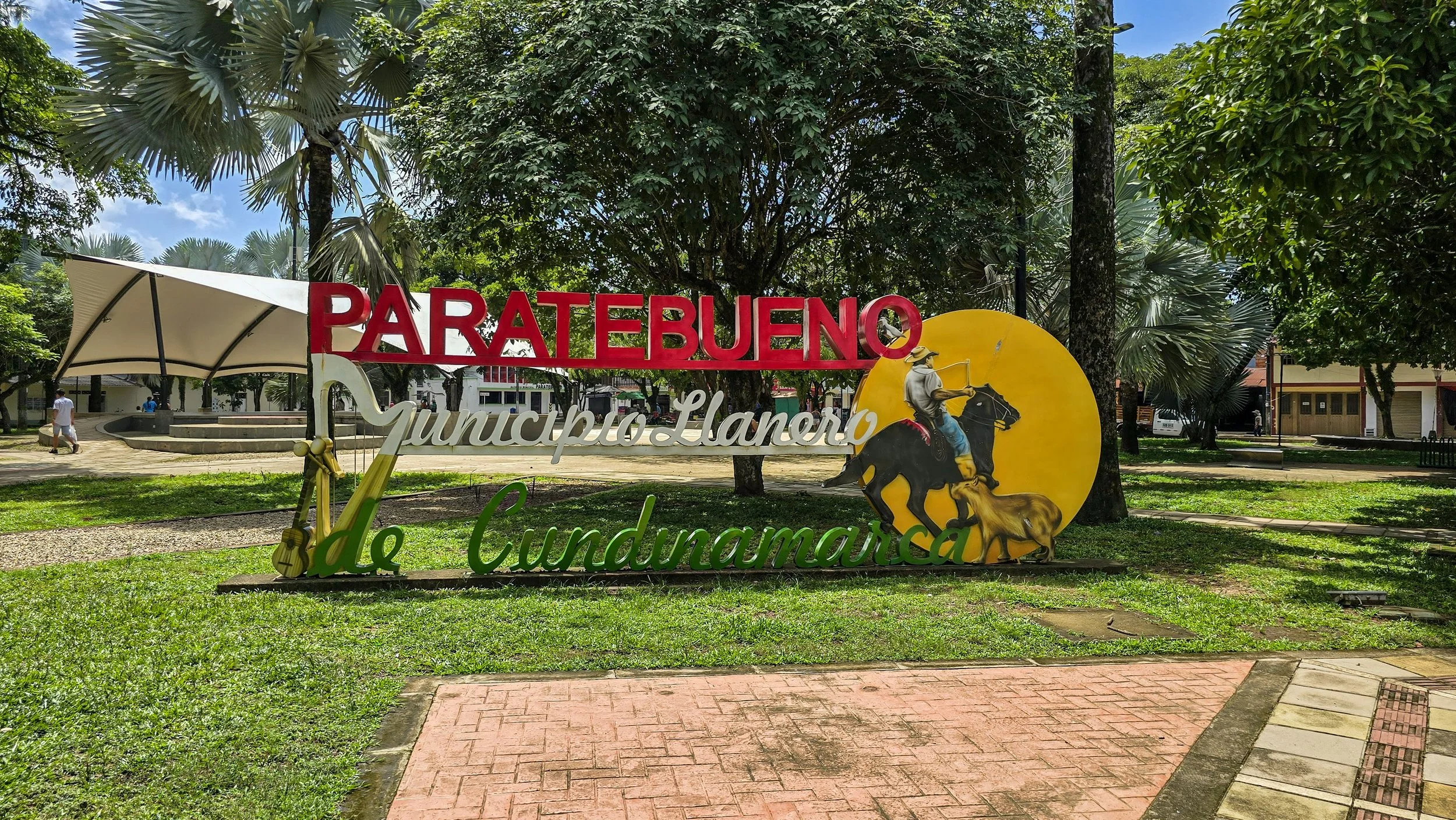
Paratebueno - The municipality of the plains in Cundinamarca
The Great Passage
My visit to this municipality centered on a fascinating monument dedicated to a crucial cultural crossing point known simply as El Paso, or "the great passage."
Imagine the vast, flat terrain of the Colombian(and Venezuelan) plains, the Llanos. This landscape is stunning, yet intensely challenging, especially during the wet season when seasonal flooding turns the plains into a massive, shimmering wetland.
This is where the paso comes in.
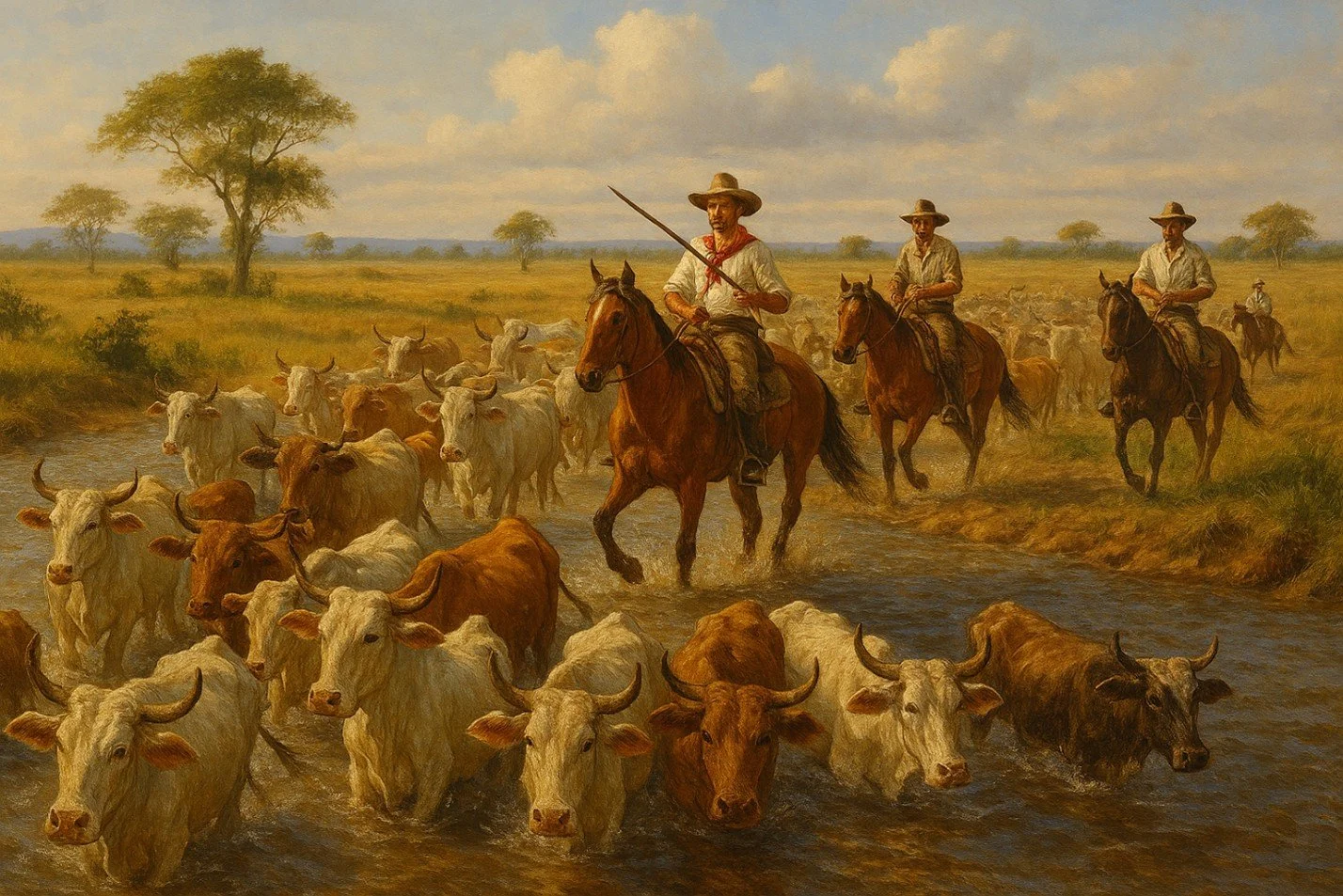
A paso is more than just a place to cross; it is a lifeline. It specifically denotes a secure, shallow area—a natural ford—that allows essential traffic, like massive cattle herds, travelers, and people, to safely traverse rivers, streams, and submerged lowlands. These secure crossings prevent them from becoming trapped in dangerous quicksand, deep water, or sudden flash floods.
Guiding this movement are the expert llaneros, the legendary Colombian cowboys. They navigate and master these crossings on horseback, embodying a deep, almost ancient knowledge of the land and its ever-changing waterways.
A representation of El Paso
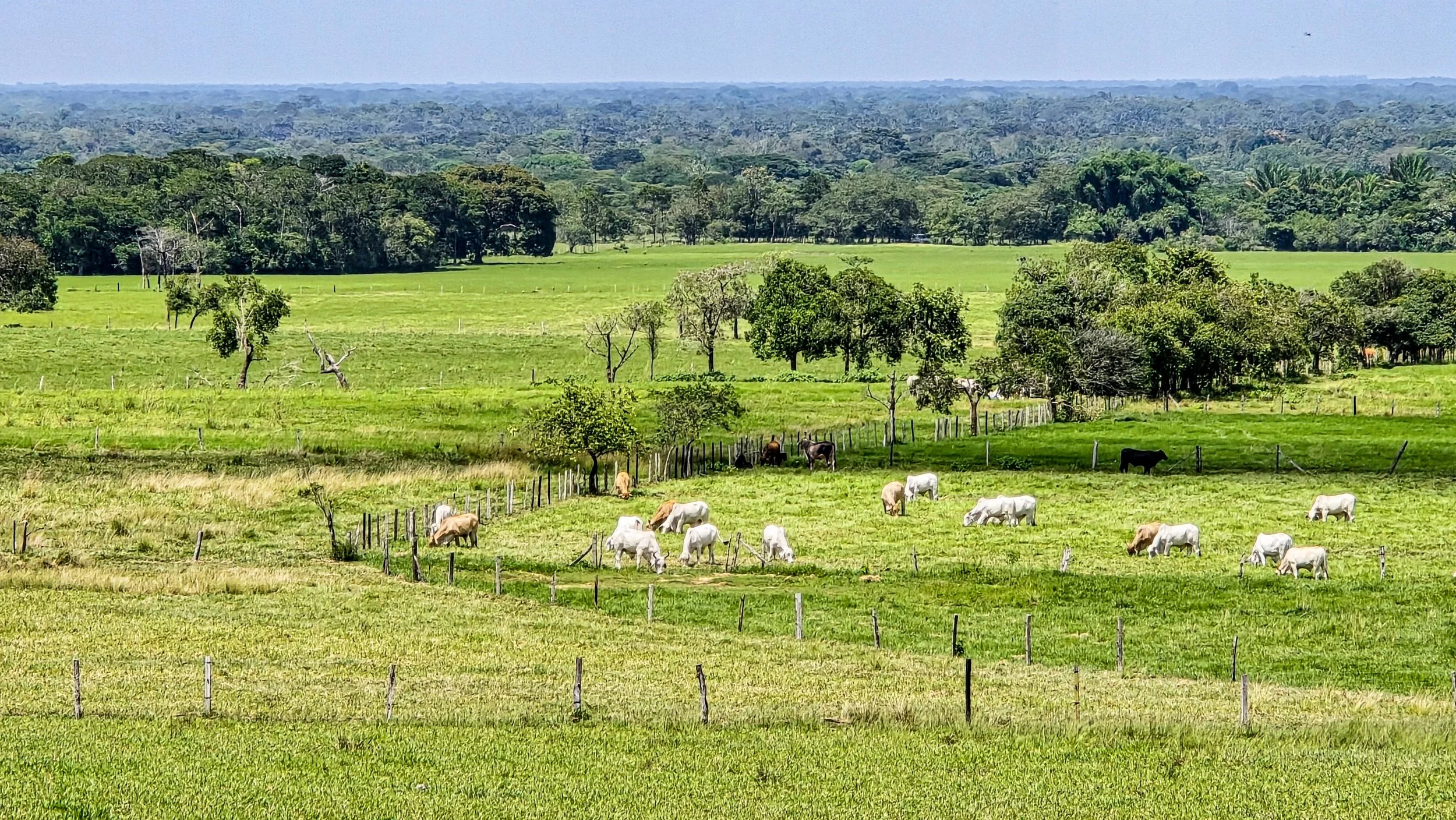
Typical landscape of the Llanos
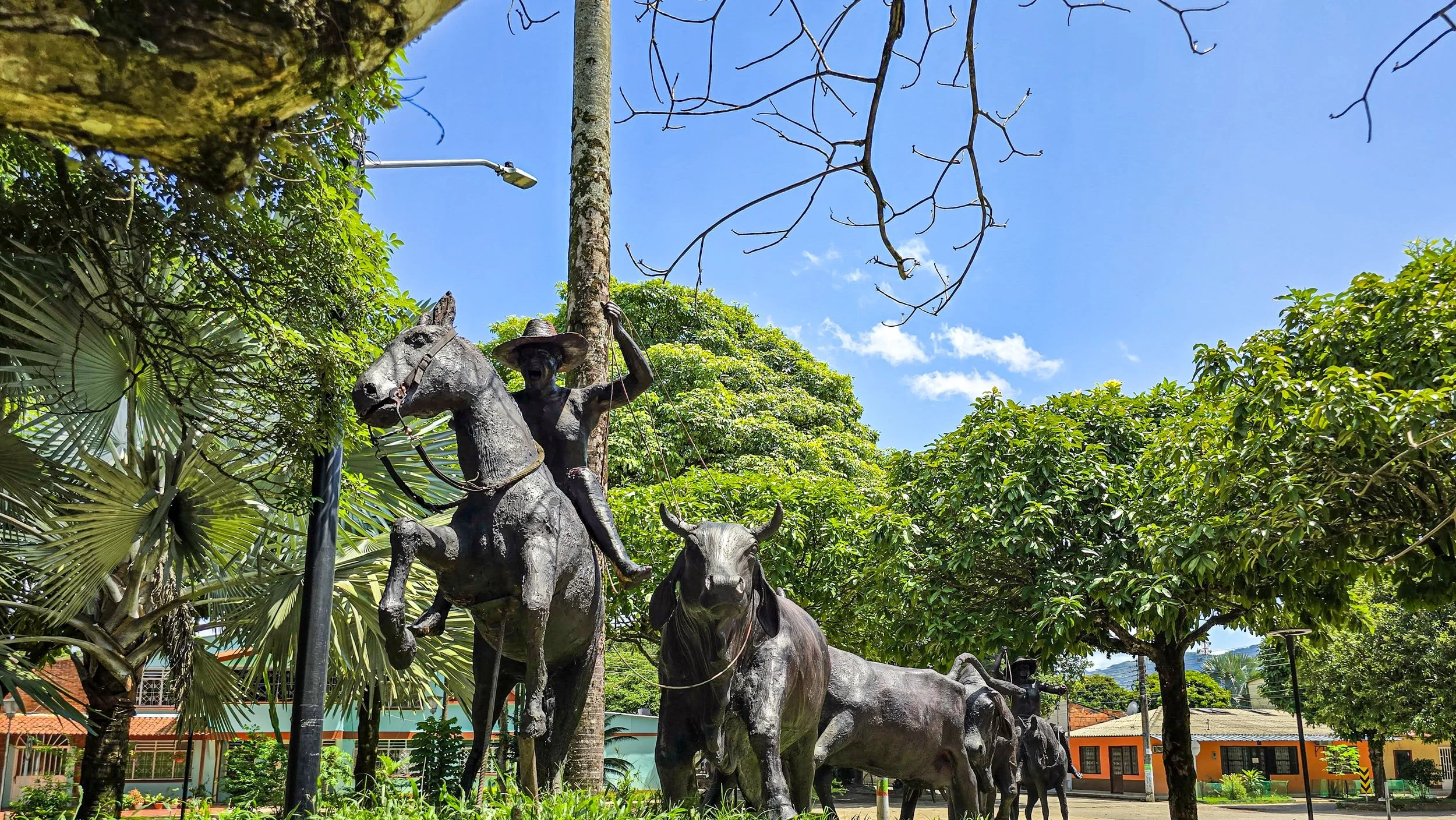
El Paso Monument in Paratebueno, Cuninamarca
The word paso literally means step or passage. In this often-submerged landscape, knowing the location of a reliable paso is essential for reaching dry, higher ground.
Hence these critical crossing points have historically been the foundation for towns and urban settlements. For countless ranches and remote settlements, communication and travel still rely completely on the existence of these secure passages.
Mastery of this environment is a core skill for any llanero, demanding expert horsemanship and an in-depth understanding of the plains. This intimate relationship with the terrain even influenced the local culture of movement. In fact, the unique 'Paso Llano' gait of their horses evolved precisely because of this terrain, allowing horse and rider to cover long distances efficiently over uneven, rough, flooded, and damp ground.
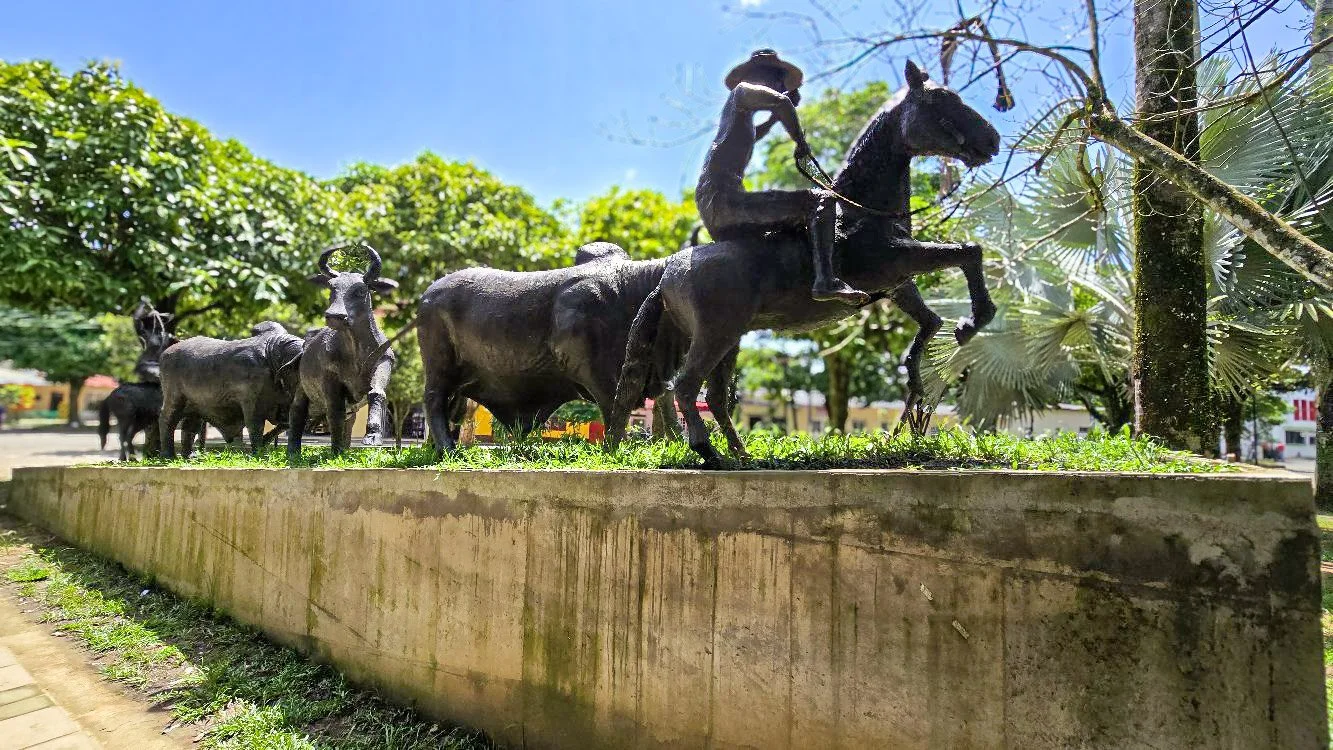
El Paso monument in Paratebueno, Cundinamarca
Standing in the historical center of Paratebueno, one reflects profoundly on the essence of life in the llanos. This vast, challenging savanna, with its extreme climate and difficult terrain, is a relentless forge that shapes the character of its inhabitants. It cultivates a resilient, unyielding, and determined "never-say-die" spirit. It is here that both the llaneros and their hardy cattle have learned not just to survive the droughts and floods, but to genuinely endure the harshness and, against all odds, flourish.
Here is my Instagram page if you want to know more about Los Llanos - El Indio Andino
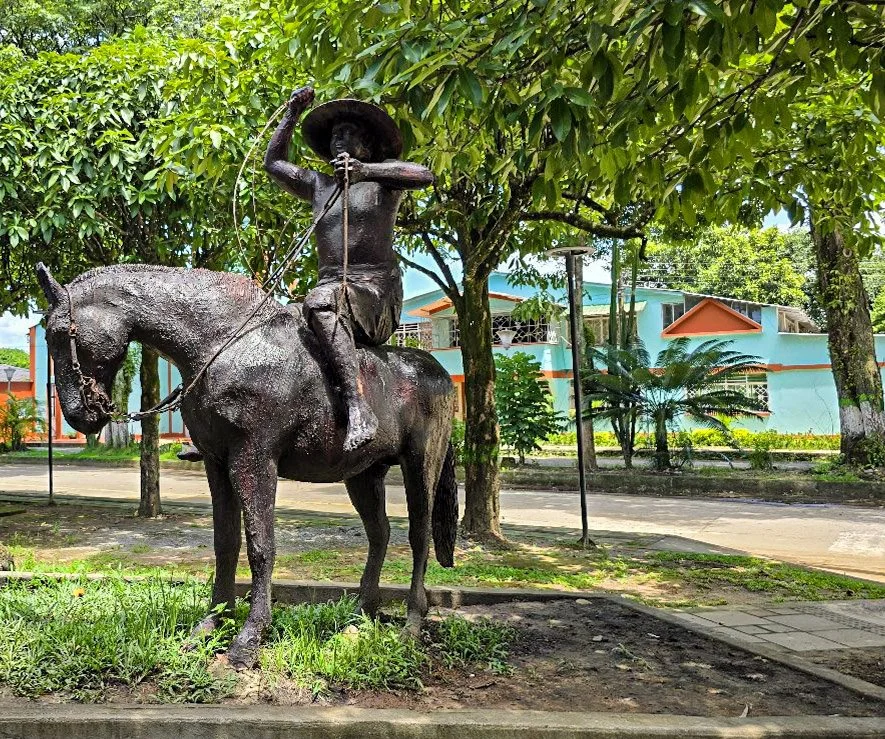
The llanero, Paratebueno, Cundinamarca
Ay Sí Sí Trivia
Ay, sí, sí, yo no soy de por aquí
Ay, sí, sí, yo vengo de Casanare
Ay, sí, sí, yo no soy de por aquí
Ay, sí, sí, yo vengo de Casanare
This is a beautiful song by the brilliant Luis Ariel Rey Roa (1934 to 1975). He was known as El Jilguero del Llano (The Goldfinch of the Plains), was a Colombian musician, singer, and composer. He was the first interpreter of llanera music and was recognized for his innovations in llanera music and clothing.
You can listen to this beautiful composition here